Recent policy discussions have placed a spotlight on asylum work permit changes, particularly as the Department of Homeland Security considers updates that may affect how and when applicants can legally work. For individuals in Chicago navigating the asylum process, these changes could influence financial stability, case timelines, and long-term planning.
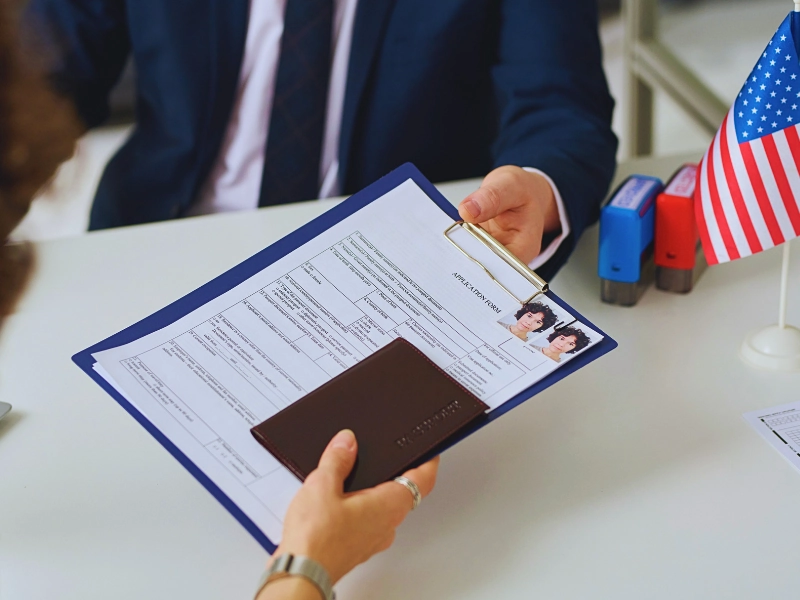
Work authorization is often one of the most important aspects of seeking asylum. It allows applicants to support themselves while waiting for a decision, which can take months or even years. Any modification to eligibility rules or waiting periods can have a direct impact on daily life.
If you have questions about your asylum case or work authorization timeline, contact Cho Immigration Law at 312-853-3088 to discuss your situation.
Key Takeaways
- Proposed asylum work permit changes may alter eligibility timelines and requirements
- Work authorization is tied closely to the asylum application process
- Delays and policy updates can affect financial stability for applicants
- Proper documentation and compliance are essential
- Chicago applicants may face unique challenges due to case volume and processing times
What Are the Proposed Asylum Work Permit Changes?
The proposed asylum work permit changes focus on revising how applicants qualify for employment authorization while their cases are pending. These updates may affect both new applicants and those already in the system.
In general, proposed changes include:
- Adjustments to the waiting period before applying for a work permit
- Stricter documentation requirements
- Additional conditions that could delay eligibility
These updates are part of broader efforts to refine immigration processes and manage increasing caseloads.
How Do Work Permit Rules Currently Work?
Understanding the current system helps clarify how asylum work permit changes may affect your case.
When Can Asylum Applicants Apply for Work Authorization?
Under existing rules, asylum applicants must wait a designated period after filing before they can request employment authorization. This waiting period is tied to what is often called the asylum clock. Delays in your case can pause or reset this clock, extending the time before you can legally work.
What Can Affect the Timeline?
Several factors may influence when you become eligible:
- Whether your application was filed correctly and completely
- Delays caused by missed hearings or requests for additional evidence
- Administrative processing times
If you are planning to apply for asylum, understanding these timelines is essential.
Why Are These Changes Being Considered?
The government periodically reviews immigration policies to address system challenges. The proposed asylum work permit changes are part of this process.
Managing Case Backlogs
Immigration agencies are handling a growing number of applications. Adjusting work permit rules is one way to address these pressures.
Ensuring Compliance
Some proposals aim to ensure that applicants meet all requirements before receiving benefits. This may include stricter verification processes.
Balancing Policy Goals
Officials must balance humanitarian considerations with administrative efficiency. Changes to work authorization rules often reflect this balance.
How Could These Changes Affect Chicago Applicants?
Chicago is home to a large immigrant community, making asylum work permit changes especially relevant at the local level.
Financial Impact
Work permits allow applicants to earn income and support themselves. Changes to eligibility timelines may create financial challenges for those waiting longer to receive authorization.
Case Planning
Applicants may need to adjust their expectations and timelines. Understanding how long asylum lasts can help with planning for both short-term and long-term needs.
Access to Employment
Delays in work authorization can limit job opportunities, which may affect housing, healthcare, and overall stability.
Who Qualifies for Asylum and Work Authorization?
Eligibility for work authorization depends on your asylum application.
Meeting Asylum Requirements
Before considering work authorization, you must first determine if you qualify for asylum. This includes demonstrating a well-founded fear of persecution based on protected grounds such as race, religion, nationality, political opinion, or membership in a particular social group. You must also show that your home country is unable or unwilling to protect you. These legal standards form the foundation of your case and directly impact your ability to move forward in the process.
Maintaining Eligibility
Once your application is filed, maintaining compliance with all requirements is essential. Missing deadlines or failing to provide requested information can affect your eligibility for both asylum and work authorization. This includes attending all scheduled interviews or hearings, responding promptly to government notices, and keeping your contact information up to date. Any delays or inconsistencies in your case can pause your eligibility timeline and may complicate your ability to obtain work authorization.
How Do Delays Impact Work Permits?
Delays are a common concern in asylum cases and play a major role in asylum work permit changes.
What Is the Asylum Clock?
The asylum clock determines when you can apply for work authorization. Certain actions, such as rescheduling hearings, may pause this clock.
How Policy Changes Affect Timing
Proposed rule changes may alter how the clock is calculated or when it begins. This can either shorten or extend your waiting period.
Why Timing Matters
The longer the delay, the longer you may be without legal work authorization. This can affect your ability to support yourself and your family.
What Should Applicants Watch for in 2026?
As DHS continues to evaluate policy updates, applicants should stay informed about asylum work permit changes.
Key Areas to Monitor
- Updates to waiting periods
- New documentation requirements
- Changes to eligibility criteria
In addition to these core areas, applicants should also pay attention to how enforcement of existing rules may change. Even small procedural adjustments, such as stricter review of applications or new filing standards, can affect timelines and outcomes. Proposed rules may also impact how the asylum clock is calculated, which directly influences when you can apply for work authorization.
Applicants should also monitor whether changes apply retroactively to pending cases or only to new filings. This distinction can significantly affect your strategy and expectations. Staying informed through reliable legal updates and official announcements can help you respond quickly and avoid unnecessary delays.
How Can You Prepare for Asylum Work Permit Changes?
Preparation is essential when navigating changing immigration policies.
Keep Documentation Organized
Maintain copies of all applications, notices, and correspondence related to your case. Having organized records makes it easier to respond quickly to requests and avoid unnecessary delays if new requirements are introduced.
Stay Informed About Policy Updates
Monitor reliable sources for updates on immigration rules and procedures. Policy changes can happen quickly, and staying informed allows you to adjust your expectations and timelines as needed.
Seek Professional Guidance
Working with an experienced asylum immigration lawyer can help you understand how changes apply to your situation and ensure that your case remains on track. Legal guidance can also help you avoid mistakes, identify potential issues early, and make informed decisions as new rules take effect.
Understanding asylum work permit changes is critical for anyone navigating the asylum process in Chicago. These updates can affect when you are able to work, how you plan your case, and your overall experience while waiting for a decision.
If you have questions about your asylum application or work authorization, contact Cho Immigration Law at 312-853-3088 to discuss your case and explore your options.