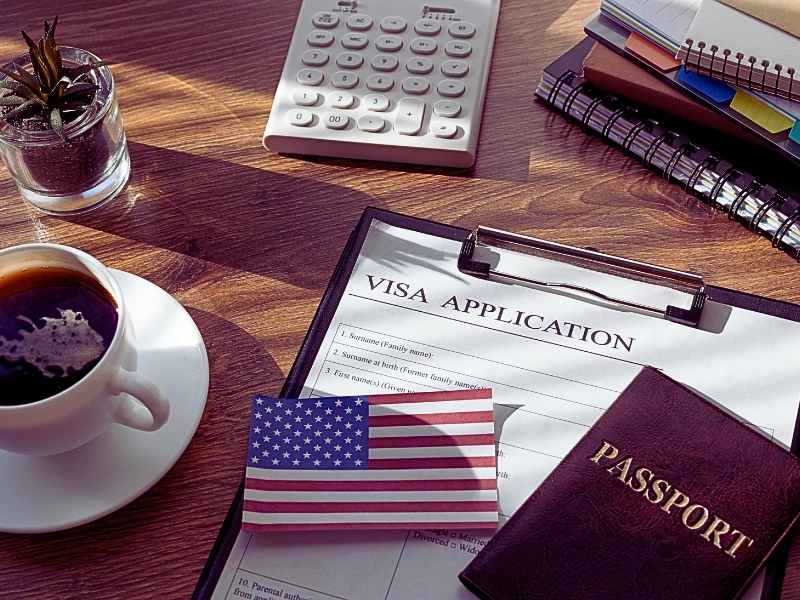
With more companies facing talent shortages and working to innovate in Chicago and across the U.S., more companies are turning to H-1B visas, which fill in specialty occupations with foreign workers, along with L-1 visas enabling multinational companies to transfer managerial and C-level employees to their U.S. offices from foreign ones.
If you would like help obtaining workers with either an H-1B or L-1 visa, consult a Chicago immigration attorney at Cho Immigration Law by calling 312-853-3088.
Why Chicago Employers Rely on the H-1B and L-1 Visa Programs
The talent shortage in the U.S. persists today, with recent statistics finding that 71% of U.S. employers struggle to acquire the skilled talent they need to flourish.
In addition to limited talent, another trend is the need for companies to gain a competitive edge through continual innovation, which can be hard to achieve with existing workforces without specialty knowledge and expertise. Also, multinational corporations might need to bring in more workers from their offices abroad to help oversee their U.S.-based operations.
Enter Chicago H-1B and L-1 visas, which both offer businesses the chance to acquire the talent they need to succeed in their industries. Knowing more about how each of these employment-based immigration options could help determine whether either is right for you if you wish to gain lawful employment in this country.
Key Differences Between the H-1B and L-1 Visas for Hiring Talent
When deciding whether to hire an employee based on an H-1B or L-1 visa, it’s important to know the difference between these two visa types.
H-1B Visas
These visas exist to help companies fill positions that count as “specialty occupations,” which require employees who possess specialized knowledge and experience. Foreign employees who qualify for these visas must possess at least a bachelor’s degree.
In many cases, businesses will hire workers on H-1B visas in various science, technology, engineering, and mathematics (STEM) fields, such as technology and software engineering. Companies might suffer a shortage of staff with the required expertise and experience, leading them to reach out to foreign prospects.
L-1 Visas
Another critical work visa is the L-1 visa, which multinational companies use for transferring employees from abroad to help manage U.S. operations, whether these workers are individuals with specialized knowledge, executives, or managers. Companies will likely use these visas if they plan to expand their presence in the U.S. while optimizing global operations.
It also stands apart from other visas in that it does not work using a lottery system. As a result, it’s often a favorable option for companies that need more predictability when hiring employees.
How Companies Can Strengthen Their Visa Petitions and Compliance
There are multiple steps that businesses in Chicago can take to improve the application process when acquiring employees on a work visa. These steps include:
- Maintaining accurate and detailed information on visa petitions, including job function, worksite location, and employer identity
- Staying current on immigration laws and adapting internal procedures as needed
- Establishing clear protocols to maintain compliance, such as protocols for employee verification and sponsorship
- Training legal, HR, and management staff on all related policies
- Preparing ahead of all audits and visits from government agents
- Consulting with an experienced immigration attorney
How an Immigration Attorney in Chicago Can Help
For help with the process of hiring H-1B employees or bringing foreign employees into the U.S. on an L-1 visa, it is in your best interest to work with an experienced employment immigration lawyer.
An attorney could help in the following ways:
Determining the Right Visa for Your Situation
The right lawyer can help determine whether an H-1B or L-1 visa is right for your situation, or if another visa might be more appropriate. In doing so, attorneys can thoroughly review all eligibility criteria to help avoid possible denials or delays during the process.
Helping Maintain Compliance
Attorneys may help you maintain legal compliance with current regulations and guidelines for hiring employees on H-1B and L-1 visas. Specifically, lawyers can work to keep paperwork in compliance with federal employment immigration laws, mitigating the risk of costly violations.
Simplifying the Hiring Process
Immigration attorneys can assist with streamlining the hiring process in several ways. For example, they can help make sure businesses file on time with the appropriate application and supporting evidence, avoid delays that might otherwise hold you back, and keep the process as cost-effective as possible.
Help With Other Immigration Matters
A good immigration lawyer will help both companies and immigrant workers with immigration matters. For instance, an employee might want to acquire dual citizenship to freely work and live in the U.S. and abroad after obtaining an L-1 visa. The attorney could help with legal residency and subsequently work to eliminate barriers to citizenship in these cases and facilitate a smooth process for the employee.
Depending on the circumstances, an attorney may be able to reopen an immigration case involving compliance issues or other matters, helping appeal a decision.
As an employer or an immigrant worker, it helps to have an experienced and knowledgeable Chicago immigration attorney by your side. For help with nearly any immigration matter, turn to Cho Immigration Law and find out what we can do for you. Contact us today to discuss help from one of our attorneys.
FAQs About H-1B and L-1 Visas
What challenges do employers face when sponsoring workers for H-1B or L-1 visas?
There are several challenges that companies could face during the sponsorship process, including steep legal and visa fees, strict compliance requirements, errors that can lead to audits and penalties, and meeting wage requirements for employees.
How can businesses improve their chances of securing work visas for employees?
Companies can increase their chances of successfully hiring employees on H-1B or L-1 visas by ensuring all documentation includes accurate and up-to-date information before submitting applications, informing employees throughout the process, and working with immigration lawyers to facilitate a seamless process.
Why are Chicago companies increasingly turning to the H-1B and L-1 visas?
As staffing shortages, the need for more specialized knowledge, and other gaps in employment need filling, companies are turning more and more to hiring foreign or abroad employees to contribute to their operations within the U.S.